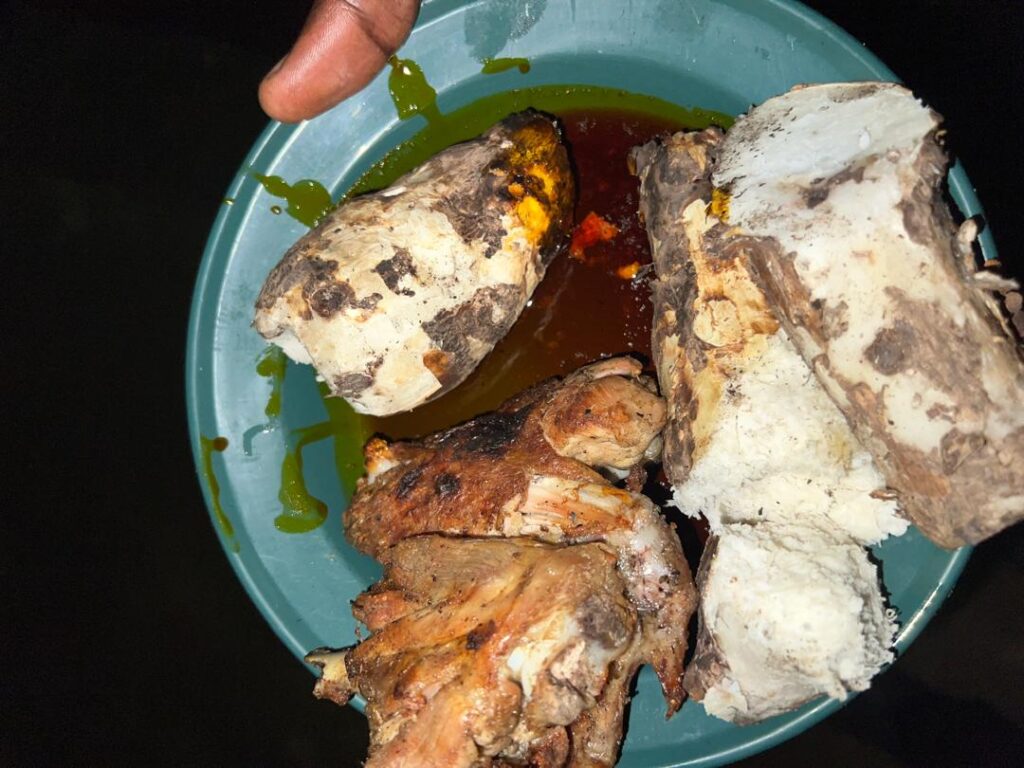
Traditional food is more than nourishment, it is a living archive of culture, memory, and identity. Across communities, recipes are passed from one generation to another, carrying with them stories of the land, the people, and the history that shaped them. In this way, traditional food becomes a powerful tool for the preservation, conservation, and valorisation of cultural heritage.
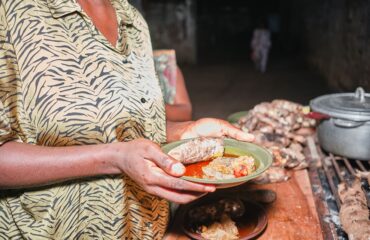
Firstly, traditional food helps preserve cultural knowledge. Many indigenous recipes are not written in books but are transmitted through practice, through mothers teaching daughters, elders guiding the youth, and communities cooking together during festivals and ceremonies. Each ingredient, cooking technique, and flavor reflects centuries of accumulated wisdom about local environments and social traditions. By continuing to prepare these meals, communities keep their cultural knowledge alive.
Secondly, traditional food plays a key role in the conservation of local resources and biodiversity. Indigenous dishes often rely on locally grown crops, traditional farming systems, and seasonal ingredients. This connection between food and land encourages communities to protect their environment and maintain agricultural practices that have sustained them for generations. In many ways, safeguarding traditional food traditions also means safeguarding ecosystems and local food systems.
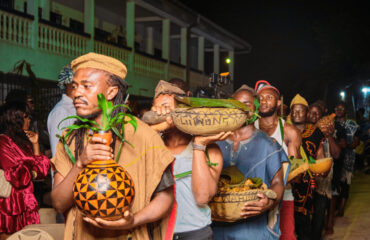
Traditional cuisine also contributes to the valorisation of cultural heritage. When communities celebrate their traditional meals during festivals, cultural gatherings, and family events, they reaffirm pride in their identity. Traditional dishes become symbols of belonging and cultural continuity. They also create opportunities to share culture with the wider world, allowing others to appreciate the richness and diversity of local traditions.
Ultimately, traditional food tells a story,one of resilience, creativity, and connection. By cooking, sharing, and celebrating these meals, communities do more than satisfy hunger; they protect the heritage that defines who they are and pass it on to future generations.